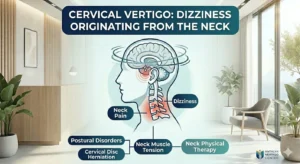
Dizziness (vertigo) and feelings of imbalance are complex conditions that can sometimes last seconds but other times bring life to a standstill. Many patients seek solutions saying, “All my tests come back normal, but I still feel off-balance.” This is exactly where the VEMP Test, which sheds light on the most hidden chambers of the inner ear, comes into play.
Experts at the Antalya Vertigo Center frequently utilize this modern method, which plays a critical role in uncovering the true cause behind dizziness.
What is the VEMP Test?
The VEMP (Vestibular Evoked Myogenic Potentials) test is a painless and non-surgical diagnostic method that measures the functions of the balance organs in the inner ear (specifically the sacculus and utriculus) and the neural pathways connecting these organs to the brain.
While traditional balance tests (such as caloric tests) examine only specific parts of the balance system, the VEMP test provides much more detailed data regarding the system as a whole.
What are the Types of VEMP Tests?
This technology is divided into two types based on the area being measured:
- cVEMP (Cervical VEMP): Measures the health of the lower balance nerve via electrodes placed on the neck muscles.
- oVEMP (Ocular VEMP): Evaluates the upper balance nerve and utricular function via electrodes placed around the eyes.
What Does the VEMP Test Measure and Why is it Important?
The balance sacs in our inner ear respond to sound or vibration. The VEMP test, performed at the Akdeniz Vertigo Center, records these responses with millisecond precision.
The primary goal of this test is to check for disruptions, weaknesses, or hypersensitivity in the reflex pathways of the balance system. “Blind spots” that classical hearing tests cannot see are clearly analyzed through this method.
In Which Conditions is a VEMP Test Needed?
Physicians benefit from the VEMP test particularly in the diagnosis and monitoring of the following conditions:
- Meniere’s Disease: To stage the disease in patients with vertigo attacks accompanied by ear pressure and tinnitus.
- SSCD (Superior Semicircular Canal Dehiscence): It is the “gold standard” diagnostic method for vertigo triggered by loud sounds.
- Vestibular Neuritis: To understand which branch of the balance nerve is affected by inflammation.
- Acoustic Neuroma: In the evaluation of benign tumors on the balance nerve.
- Otosclerosis: In the analysis of balance issues caused by calcification.
Why Choose Antalya Vertigo Center?
Effective vertigo treatment begins with a flawless diagnosis. With its advanced technology and experienced staff, Antalya Vertigo Center identifies even the most complex balance disorders in a short time.
Through the comprehensive vestibular rehabilitation and diagnostic protocols applied at the Akdeniz Vertigo Center, patients undergo a treatment process aimed at solving the problem at its source, rather than just suppressing symptoms.
Frequently Asked Questions (FAQ)
| Question | Answer |
| Is the VEMP test painful? | No, it is completely painless. Electrodes are simply attached and sounds are played through headphones. |
| How long does the test take? | It is usually completed in about 15-20 minutes, including the preparation phase. |
| Should I come hungry? | No, being hungry or full does not affect the test results. |
| Are there any side effects? | There are no side effects; you can return to your daily life immediately after the test. |
Remember: Vertigo is not a disease; it is a “cry for help” from your body—a symptom. Opening the door with the right key is the first step to regaining your health.